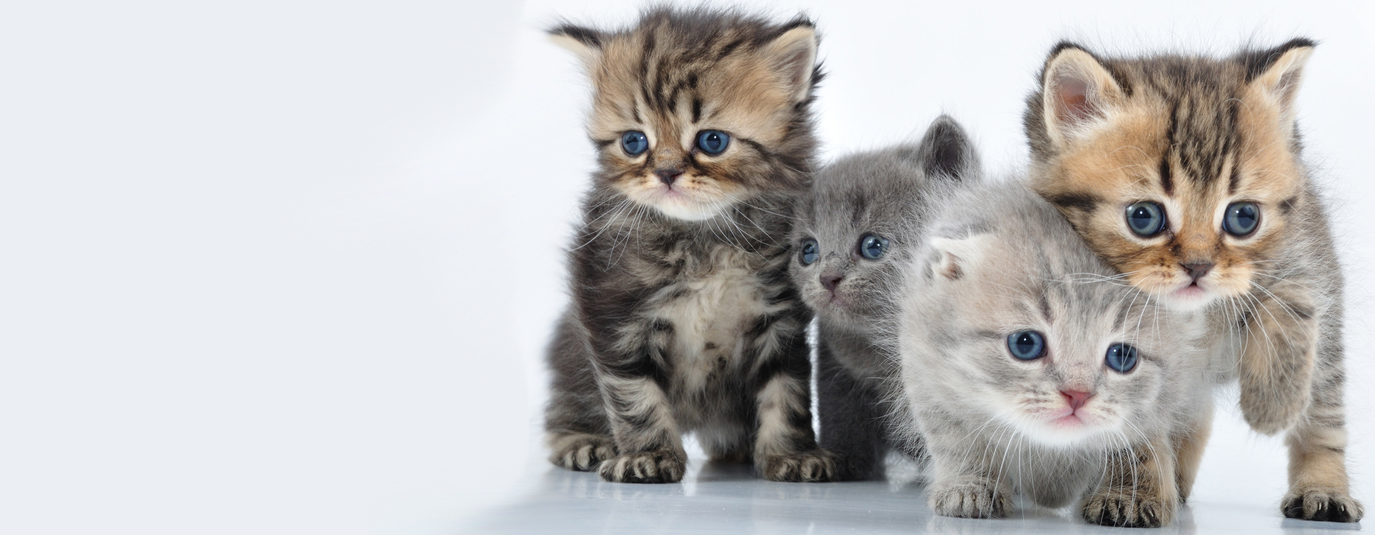
Kitten season has begun and we need your help!
Sign up to be a foster home, or donate special items. Extra young ones mean extra needs for the shelter. Please consider donating some of the following items that are specific needs at this time of year:
- Dry kitten food (meat as the first two ingredients)
- Canned kitten food
- Meat baby food (no ham)
- Kitten and puppy milk replacement formula (KMR and Esbilac)
- Microwavable heating disks
- Clay litter
- Gift cards to pet stores, Costco, Target, grocery stores, or Amazon (this allows us to buy items as they are needed)
Frequently asked questions:
Why do we need foster homes?
The shelter is just not big enough to keep certain animals for weeks at a time. Getting the animals into a foster situation is the best way to insure they get individual care and socialization in a lower-stress environment.
What kinds of animals need fostering?
The situations vary but rest assured, you’ll never have to foster an animal you aren’t comfortable with.
- Underage kittens or puppies not yet ready for adoption: Underage animals need a place to fatten up and stay healthy until they are old enough for adoption. They are usually eating on their own and range from a single kitten/puppy to a litter. We do occasionally have foster kittens and puppies who need bottle feeding, but there is no requirement to foster a bottle baby.
- Mama cats or dogs with a litter: If the babies are very young and have a mom, you need only make sure mom has plenty of fresh water and food and that the litter box or kennel is clean. More time is required when they are older and moving around: extra food and water, cleaning the box or kennel more frequently, and extra time to get socialized.
- Dogs needing behavior modification: We have dogs who are just a little too shy to be made available for adoption right away and need some time in a less stressful home environment where they can be exposed to new people and situations and gain confidence.
- We also have dogs needing basic obedience training. Socialization or training in foster care will help ensure they make a good companion for a prospective adopter and that their adoption is a permanent one.
- Animals needing medical recovery: These can be ill animals, usually cats with URI or dogs with kennel cough. We also take in animals who have injuries requiring recuperation outside the shelter. Fostering sick or injured animals may require foster providers to administer medications, and at times, subcutaneous fluids (it’s easy- well show you!)
- Those who have been here for a while and need a break or we need to free up kennel space: There are instances when the animal has been here for a while and is getting overlooked by adopters and would benefit from a break from the shelter. This break relieves stress which helps keep them mentally/emotionally sound. There is also a need to get long-timers into foster in order to free up cage space. In these instances, getting an animal out to foster can make all the difference.
- Other species: While most of the animals that we send out to foster are cats and dogs, we do need homes for other types of animals. These can include rabbits, guinea pigs, reptiles, birds, or other pets. These animals can need fostering due to health issues, space, behavior, or because they have babies.
Who can foster?
A foster parent needs to be 18+ years old and live in Lacey, Olympia, Tumwater, or unincorporated Thurston County. If you live outside these areas, you may still be able to foster, just check with the Volunteer Coordinator.
What type of space do I need at home?
Generally, a spare bedroom, bathroom, laundry room or even space in a temperature-controlled garage (secure from toxins) will do.
What type of commitment do you need from me?
Fostering can last from as little as 1 week to as many as a couple months: 3-4 weeks is average.
How much will it cost to foster?
The shelter will provide bedding, crate, litter pan, food dishes, or medication (if necessary) for the animals for the duration of their stay. An initial supply of food and/or litter is available if needed. The shelter may be able to continue to supply food and litter if the resources are available. You cover incidental expenses while the animals are in your care (food, toys, litter, etc.). The amount will depend on the types of animals you foster and the amount of time they spend in your care.
What if the animals I foster get sick?
Should one of your fostered animals get injured or become sick, please notify the shelter immediately. All veterinary treatment must be arranged through the shelter.
Can my pets get sick from an animal I foster?
Unfortunately, the answer to this question is yes. The animals we send out for fostering are almost all strays with unknown health histories. Depending on their age and health, they may have received vaccines at the shelter, but it takes a while for the vaccines to kick in. To lower the risk to your own pets, it is advisable to keep your fostered animals separated from your personal pets and talk to your vet about your pets’ vaccinations. Fostering can be highly rewarding and a lot of fun. There are times, however, that it can be heartbreaking. No matter how hard we try, the entire litter may come down with an illness. Sadly, we may not be able to pull them through. Other animals may develop behavior issues that make them un-adoptable and may have to be euthanized. It is never easy to prepare yourself for these situations; however, you need to be aware and be able to concede to the decisions of shelter staff.
How do I become a foster home?
We would love to have you on the Foster Squad! Please view the Foster Orientation presentation here. After completing the orientation, you can then fill out the Foster Sign Up Form and we will contact you when you are an approved member of the Animal Services Foster Squad!
How do I find out more about the program?
If you have questions about any part of the foster program, please contact the Positive Outcomes Coordinator, Bekka, by emailing them.